
The dice rattle while the bingo caller keeps a steady pace, and that difference shapes everything about how you play. For an Australian adult weighing craps vs bingo, the choice is less about which table pays more and more about which session matches your attention span, your bankroll, and the way you like to read a room. I’ve spent years covering iGaming and trading desks where pace, variance, and session length decide whether a player stays comfortable or burns out, and the same judgement applies here: pick the format that matches your temperament, not the one with the loudest lights.
Where Craps Takes the Lead

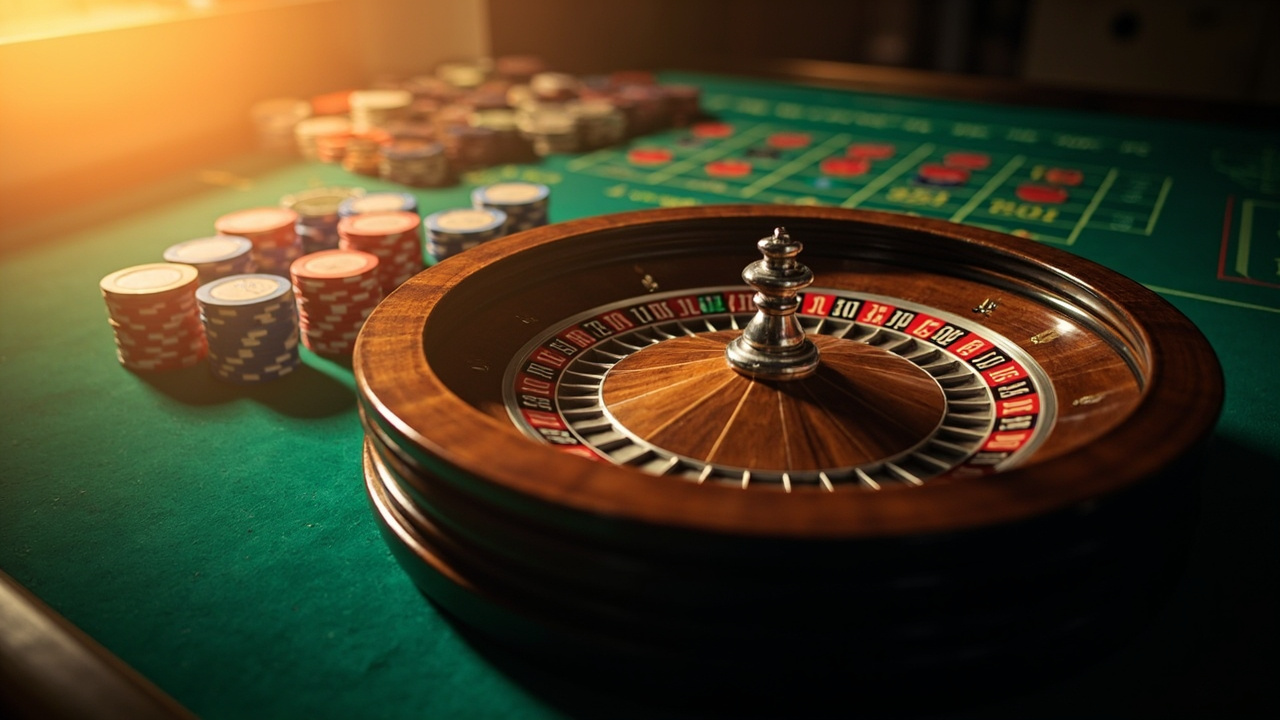
Craps is a pace-and-pressure game, built around a felt table, a pair of dice, and a crowd that moves in waves. The core offer turns on live momentum: you’re reading rolls, sizing bets to the shooter’s rhythm, and deciding whether to stay conservative on the pass line or chase higher variance with proposition wagers. Two distinguishing traits stand out. First, the action is continuous – once the round starts, decisions stack quickly, which suits players who like to stay engaged rather than wait for a number to be called. Second, the social layer matters; the table energy can sharpen your focus or work against it if you’re prone to chasing noise.
Everyday usability is decent if you know the lay of the table. A first-timer can stick to pass and don’t pass with minimal fuss, but the real learning curve comes from knowing when to step back. The trade-off is that craps rewards discipline more than luck on a given roll, and that’s where my trading background shows up: I treat a hot streak the same way I’d treat a sharp intraday move – respect it, size accordingly, and don’t confuse short-term variance with a durable edge. For a Cairns local popping into a session after a morning on the water, that means a tight stop-loss mindset beats improvising mid-roll.
| Trait | Craps | Bingo |
|---|---|---|
| Pace | Fast, roll-by-roll | Slower, call-by-call |
| Decision load | High during rounds | Low, mostly card setup |
| Social feel | Table-driven, lively | Chat-friendly, steady |
| Best fit | Players who like active reading | Players who prefer a measured rhythm |
Where Bingo Holds Its Own
Bingo carries a different contract with the player. The core offer is simple: buy cards, listen for calls, and wait for the pattern to complete. That simplicity is the strength, but it comes with real conditions. Two things separate a decent bingo session from a frustrating one. The first is card count and cost discipline – buying more cards raises your coverage but also raises your burn rate, so the maths only works if you set a ceiling before the first call. The second is game selection; 75-ball and 90-ball formats, prize structures, and fill-speed vary enough that a quiet low-stakes room and a busy progressive room are effectively different products.play at luckyelf
A practical upside is that bingo is easier to run alongside other tasks. If you’re working through emails in the arvo and want a background session that doesn’t demand constant focus, a measured bingo room can fit that rhythm without pulling you into fast decisions. My marketing side notes the same pattern I see in reader-focused campaigns: when the hook is ease and consistency, the product has to deliver on that promise every time, not just on a lucky break. That means checking ticket pricing, prize frequency, and whether the room’s pace actually matches the session length you want.
Card count, cost, and the maths you should watch
Coverage rises with every card you add, but so does the cost per round, and the relationship isn’t linear in your favour. A sensible approach is to cap tickets at a level that keeps each session affordable even when the calls go cold, then treat any extra coverage as a paid convenience rather than a guaranteed improvement. That’s the same discipline I apply when sizing exposure on a volatile market: more position can smooth out noise, but only if the downside stays inside a number you’re comfortable carrying.
Room pace, prizes, and why selection matters
Not every bingo room is built the same. Some run frequent small wins that keep the session lively; others lean on bigger prizes that arrive less often. If you want a steady rhythm with regular feedback, a lower-stakes room with tighter prize intervals usually feels more natural than a slow-building progressive setup. If you’re chasing a jeetcasino.org bigger hit and can sit through quieter stretches, the larger prize rooms make more sense. The judgement call is straightforward: match the room’s tempo to your patience, not to the size of the headline prize.Smart Ways To Improve Your Bingo
Matching the Game to How You Actually Play
The right pick between craps and bingo comes down to how you want to spend an hour. If you like reading momentum, making quick decisions, and tolerating short swings without overreacting, craps gives you more to do with every roll. If you prefer a calmer cadence, a clearer cost per session, and a game that can sit comfortably beside other tasks, bingo is the more natural fit. Neither format is a shortcut, and neither should be treated as one. I’d rather see a player choose the slower room and stay disciplined than chase a table they don’t understand just because the lights are brighter.
A fair go in either game means setting your limits before the first roll or the first call, then sticking to them when the session gets busy. That’s the part most players skip, and it’s the part that decides whether the experience stays enjoyable. If you want to play at luckyelf, treat the choice as a session plan first and a game second, because the right fit beats the loudest offer every time.
The verdict is simple: craps suits active, decision-heavy sessions; bingo suits calmer, more measured ones. Pick the pace that matches your temperament, cap your spend before you start, and let the game fit your night rather than the other way around.